
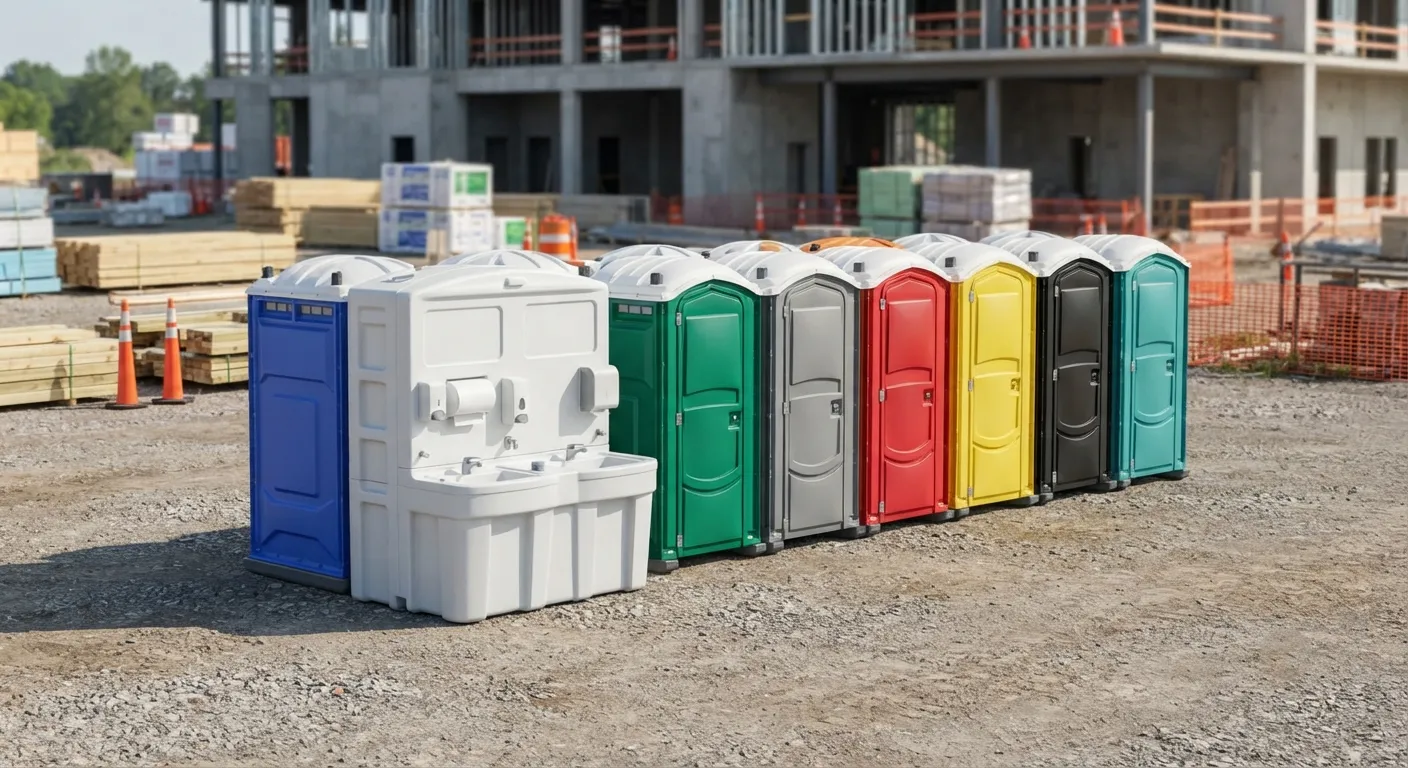
What does OSHA actually require for handwashing?
Two different rules cover two different situations, and mixing them up is the most common mistake we see on job sites around Napa. OSHA 1926.51(f)(1) applies specifically where employees are applying paints, coatings, herbicides or insecticides, or working around other harmful contaminants. That is a washing requirement, not a general handwashing mandate, and it only kicks in with those exposures present. Separately, 1926.51(c) sets toilet facility ratios for construction sites: one toilet for 20 workers or fewer, then one toilet seat and one urinal per 40 workers as headcount climbs, dropping to one per 50 once you pass 200 workers on site. For general industry workplaces rather than construction, 1910.141(c)(1)(i) governs toilet ratios instead. Once a wash station is required, 29 CFR 1910.141(d)(2) says it needs soap and towels or a hand-drying device. Hand sanitizer alone does not satisfy that rule, which surprises a lot of site supervisors who stock sanitizer instead of a real handwashing station rental. If your crew is spraying, staining or coating anything, budget for a proper unit, not a bottle on a table.
Where should a handwashing station go on a Napa job site?
Placement matters more than most crews think. ADA Standards section 302.1 calls for a stable, firm and slip-resistant surface under any accessible unit, which rules out loose gravel or soft turf near vineyard sites outside Napa. If you are also setting up an ADA accessible porta potty, section 304.3.1 requires a 60 inch turning circle nearby, and section 403.5.1 sets the minimum clear route width at 36 inches leading to it. Keep the station close to the work zone but out of the path of forklifts and delivery trucks. On a construction site, 1926.25 requires debris to be cleared from work areas, so a wash station buried behind pallet wrap does nobody any good. If you are unsure how many stations a layout needs, our porta potty placement guide walks through spacing for larger sites. For events, check our how many porta potties do I need guide, since headcount drives both toilet and handwash station counts together.

How many handwashing stations does a Napa site need?
There is no single number, because it depends on crew size, layout and whether contaminants are involved. ANSI/PSAI Z4.3 sets a baseline service interval of once per week for up to 10 users over a 40 hour week, which is a useful starting point for scheduling pickups and refills, though it does not dictate unit count. A rough field rule many Napa contractors use is one wash station per 10 to 20 workers, paired with the toilet ratios in 1926.51(c). Farm operations have their own standard: 1928.110 requires field sanitation for hand-labor employees, with one facility per 20 workers, reachable within a quarter mile walk. That rule matters for farm and agricultural restrooms work around Napa's vineyard country, where crews are spread across large acreage rather than clustered at one trailer. If you are staffing an event instead of a jobsite, our event restroom rental page and wedding restroom rental page cover guest-count ratios separately from labor codes.
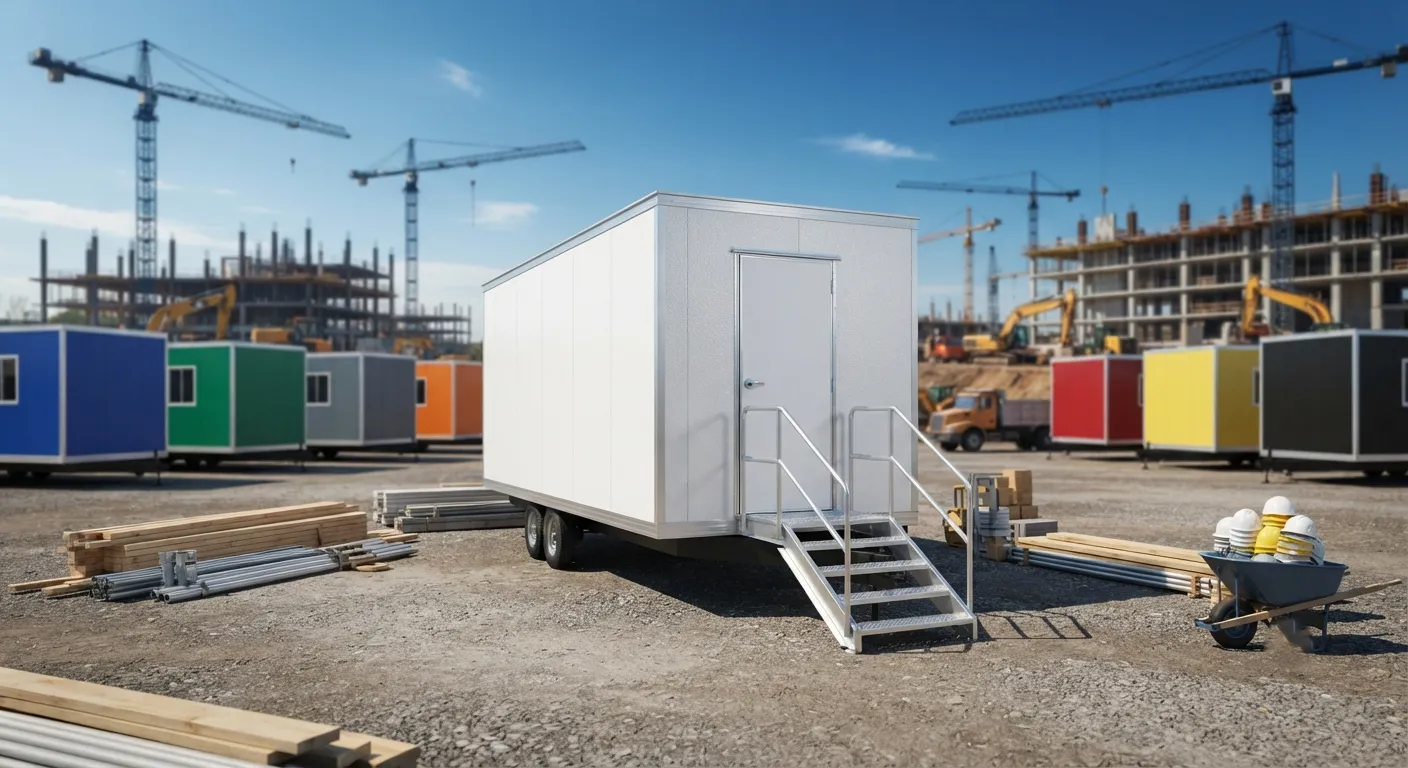
What does a handwashing station rental cost in Napa?
Pricing depends on unit type and rental length, and daily rates never beat weekly or monthly rates on a per-day basis.
| unit | day | week | month |
|---|---|---|---|
| standard portable toilet | $100 - $350 | $130 - $500 | $125 - $325 |
| delivery fee | $100 - $500 | $100 - $150 | $120 - $420 |
| service fee | $100 - $300 | $100 - $220 | $100 - $300 |
Most Napa contractors bundle a wash station with a standard porta potty rental or a deluxe flushable porta potty order to cut down on a second delivery fee. If you are running a longer project, check monthly porta potty rental pricing before committing to weekly renewals, since the per-day cost usually drops as the term extends. For a full cost breakdown across unit types, see porta potty rental cost or porta potty rental per day.
Napa Porta Pros delivers wash stations alongside toilets, restroom trailers and temporary fencing for job sites from downtown Napa out toward American Canyon, 10.9 miles south, or Sonoma, 14.1 miles west. If your crew is working a renovation, our home renovation porta potty page pairs well with a single wash station for smaller residential jobs. Larger builds should also review construction site services and OSHA portable toilet requirements for the full sanitation picture, not just handwashing.
Does hand sanitizer satisfy OSHA handwashing rules?
No. 29 CFR 1910.141(d)(2) specifically requires soap and towels or a hand-drying device at washing facilities; sanitizer does not meet that standard on its own. If your Napa crew is applying coatings or pesticides, 1926.51(f)(1) applies and a proper wash station is the compliant choice, not a sanitizer pump.
Can I rent just a handwashing station without a toilet?
Yes. Napa Porta Pros rents portable sink and hand sanitizer station units on their own, though most job sites pair one with a toilet order to cover both sanitation angles and save on a single delivery trip.
What is the difference between 1926.51(c) and 1926.51(f)(1)?
1926.51(c) sets toilet facility ratios by crew size on construction sites. 1926.51(f)(1) is a washing requirement triggered only by paint, coating, herbicide or insecticide exposure. They are separate rules covering separate risks, not interchangeable citations.
Do agricultural sites near Napa have different rules?
Yes. 1928.110 requires field sanitation for hand-labor agricultural employees: potable water, toilets and handwashing, at one facility per 20 workers, within a quarter mile walk. That differs from the general construction ratio under 1926.51(c).
How often are wash stations serviced?
ANSI/PSAI Z4.3 sets a baseline of one service visit weekly for up to 10 users over a 40 hour week. Busier sites need more frequent visits; ask Napa Porta Pros about a schedule matched to your headcount and site hours.
Next step
Get a delivery date
Tell us the address, the dates and the headcount. We size the order and confirm the route.